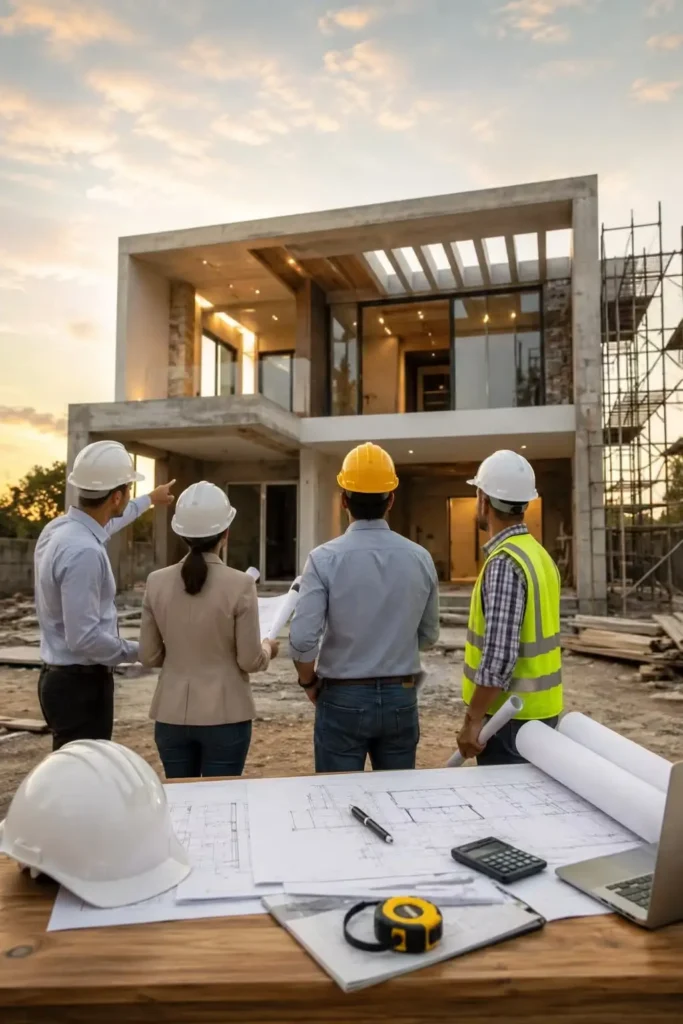
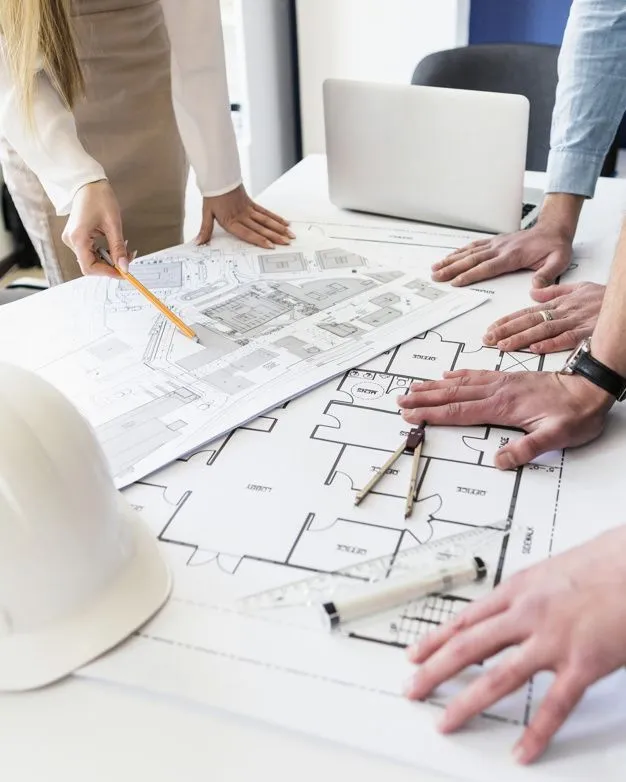
article
Why Pre-Design Is the Most Important Phase of Any Architecture Project
Most people believe architecture begins with drawings. It does not. The success of a project is typically determined before design ever starts — during the strategic decisions that define what should be built, where it should be built, and whether the vision is truly viable.
This early stage is known as pre-design, and it is one of the most critical yet overlooked phases of the architectural process — particularly for custom home projects in Alpharetta, Metro Atlanta, and North Georgia, where site conditions, zoning rules, and county permitting vary widely.
Pre-design is not paperwork. It is not a formality. It is the strategic groundwork that determines whether a project moves forward efficiently — or becomes expensive to correct later.
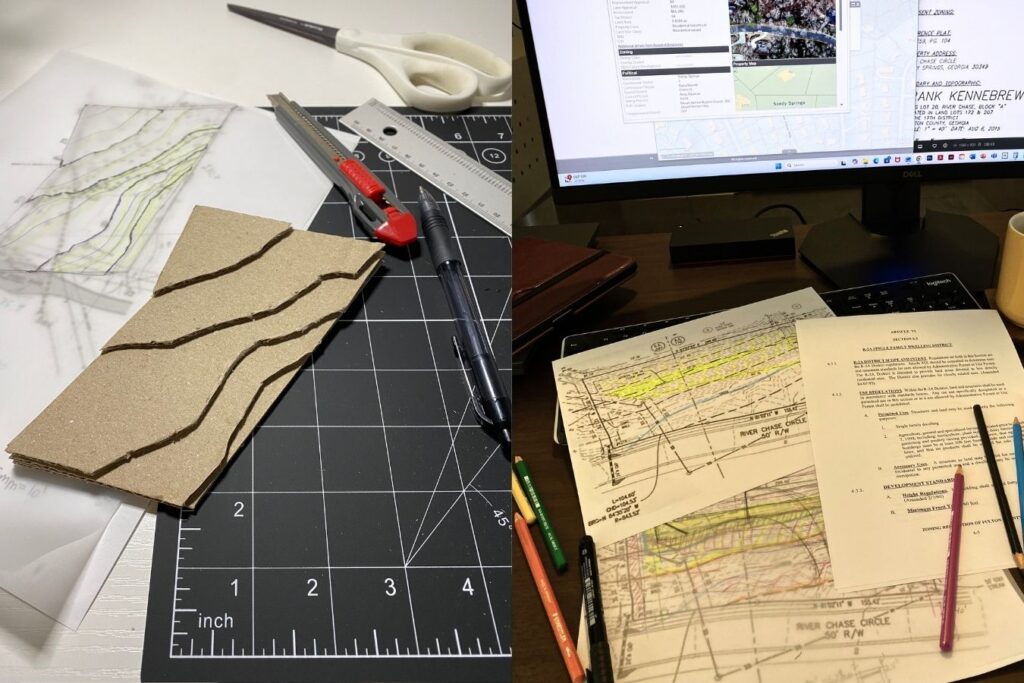
What Is Pre-Design in Architecture?
Pre-design is the planning and evaluation phase that occurs before schematic design begins. During this stage, the architect works with the client to establish the project’s goals, constraints, feasibility, and strategic direction — before any formal design work starts.
Typical pre-design considerations include:
- Site and lot analysis
- Zoning and code review
- Feasibility studies
- Budget alignment
- Project programming
- Preliminary area analysis
- Site opportunities and constraints review
- Risk identification
In short: Pre-design transforms broad ideas into a clear, defensible roadmap for design — so that when drawings begin, every decision has a strategic foundation.
Why Pre-Design Matters More Than Most Clients Realize
The earliest decisions in a project have the greatest impact on cost, timeline, and overall success. Once design advances — or construction begins — flexibility decreases while the cost of change increases dramatically.
Early in Pre-Design
A problem identified now costs a conversation and a revised strategy.
During Construction
The same problem costs change orders, delays, and contractor rework — often 10–50× more.
A poorly considered early decision can cascade across the entire project, affecting:
- Construction budget and final project cost
- Permitting duration and jurisdictional approval
- Building size and usable square footage
- Structural complexity and engineering requirements
- Site development costs (grading, retaining, drainage)
- Construction efficiency and schedule
- Future operational performance
- Long-term property value
Key PrincipleThe earlier a problem is identified, the less expensive it is to solve. Pre-design exists precisely to surface these problems before they become structural — literally and financially.
Architecture Is More Than Drawing Plans
Many people think architects are hired to produce drawings. In reality, one of the architect’s most valuable roles is helping clients make the right decisions before drawing begins.
Architectural drawings document decisions. Architecture itself is the process of making informed, strategic decisions that shape the project long before construction starts.
What most clients expect
Architect produces drawings → Contractor builds → Project complete.
What actually drives success
Strategic pre-design → Informed design decisions → Accurate documents → Predictable construction.
This is where experienced architectural guidance creates measurable, tangible value — value that shows up not just in the final building, but in the process of getting there.
Construction Reveals Decisions — It Does Not Make Them
Construction does not determine whether a project will succeed. Construction simply reveals whether the right decisions were made early enough.
The best projects are not successful because of luck. They succeed because they were strategically planned — because someone asked the hard questions at the beginning, when the cost of getting the answers was still low.
Because by the time construction starts, the most important decisions should already be behind you.
Start with strategy — not drawings.
Kteam Architects offers pre-design consultation and site feasibility services for custom residential and commercial projects throughout Alpharetta, Metro Atlanta, North Atlanta, and North Georgia.
Ready to Start Your Project?
Our Georgia-based architecture team brings deep local expertise and a commitment to design excellence to every residential project.
SCHEDULE A CONSULTATIONWhat Should Be Defined Before Design Begins?
The true scope of the project — use, size, program, and priorities — must be clearly defined before design can begin.
Lot conditions, setbacks, easements, topography, zoning classification, and utility access all affect buildability. This is especially variable across Cherokee, Forsyth, Fulton, and North Georgia counties.
Desired square footage must be tested against physical, regulatory, and budgetary limitations — not assumed.
Budget expectations should be aligned with scope and current Georgia market conditions early — before significant design investment is made.
Potential permitting, technical, or construction challenges should be identified and evaluated in advance — not discovered mid-design.
Every site offers unique opportunities for design, value creation, and strategic advantage. Pre-design is where these are found and documented.