Building a custom home in Georgia is a major financial investment — and one that requires strategic planning from the very first conversation. A price-per-square-foot estimate alone rarely reflects the true cost of delivering a custom residence.
The reality is that custom home pricing is shaped by far more than the base construction contract. Site conditions, design complexity, permitting requirements, utility access, and architectural decisions all influence the final budget long before construction begins. Understanding these variables early is essential to planning intelligently and avoiding costly surprises later.
Custom Home Building Costs in Georgia: 2026 Price Ranges
As of 2026, most custom home construction in Georgia falls within the following ranges — organized by tier of design complexity and finish quality:
| Tier | Cost / SF (2026) | Typical Profile |
|---|---|---|
| Entry-Level Custom | $180 – $250 | Straightforward design, standard finishes, simpler roofline |
| Mid- to High-End Custom | $250 – $400 | Elevated detailing, upgraded materials, greater design complexity |
| Luxury Residence | $400+ | Premium finishes, complex architecture, advanced systems, bespoke detailing |
Important: These ranges vary significantly depending on project location, builder standards, and current market conditions. In areas such as Metro Atlanta, Alpharetta, Milton, Roswell, and North Georgia, pricing often trends toward the higher end of each range — due to labor demand, permitting complexity, and more challenging site conditions.
Major Factors That Drive Custom Home Costs in Georgia
The total cost of a custom home in Georgia is heavily impacted by project-specific variables. Understanding these factors before design begins is the key to building a realistic and defensible budget.
01 Site Conditions
Site work is one of the most underestimated cost categories in Georgia custom home projects. Sloped lots — common in North Georgia’s mountain communities and parts of Alpharetta — can add significant expense through retaining walls, grading, and drainage engineering. Poor soil conditions, tree removal, rock remediation, and long utility runs also add to the budget before a single wall goes up.
02 Architectural Complexity
A rectangular floor plan with a simple roof is the most cost-efficient form. As design complexity increases — multiple rooflines, large spans, vaulted volumes, custom detailing — labor and structural requirements rise accordingly. Thoughtful architectural planning at the start of a project is the most reliable way to align design ambition with financial reality.
03 Window & Glazing Ratios
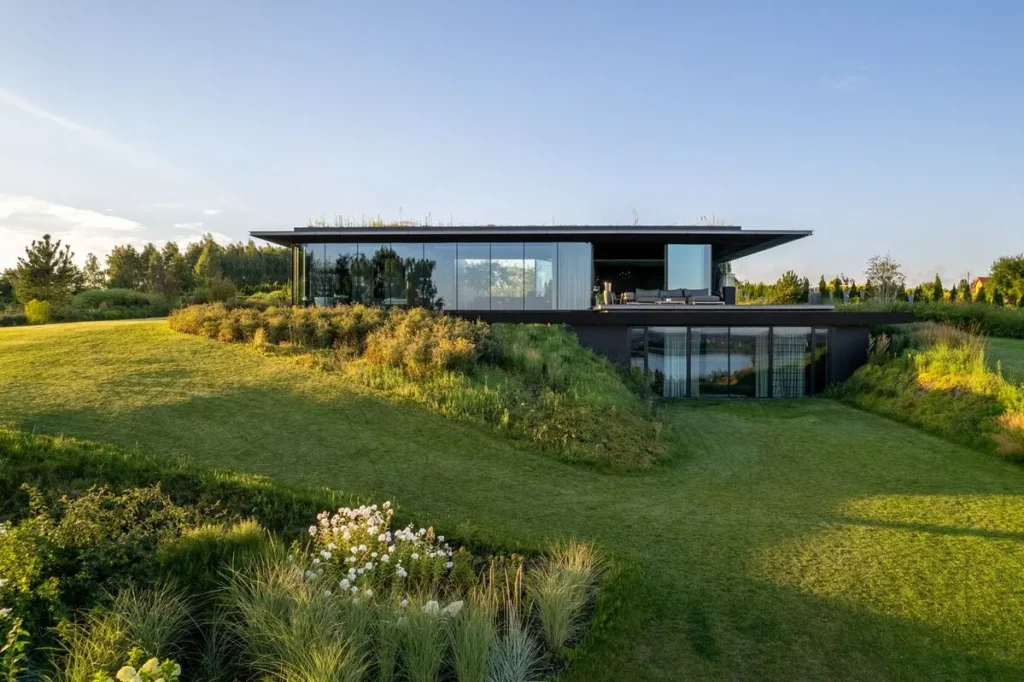
Large expanses of glass are among the most striking features in contemporary residential architecture — and among the most significant cost drivers. High glazing ratios affect structural framing, thermal performance, and overall envelope cost. This is a decision best made deliberately, with full awareness of budget implications.
04 Material Selections
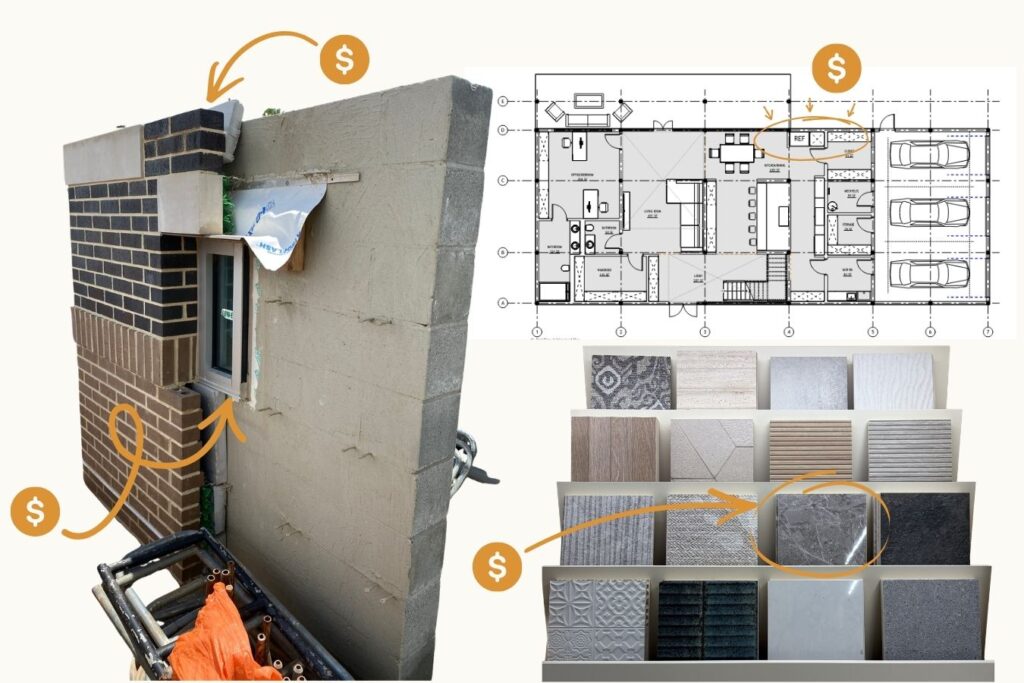
Exterior cladding, roofing systems, custom cabinetry, flooring, and specialty finishes can dramatically alter project pricing. The difference between standard and premium material specifications — particularly in kitchens, primary suites, and exterior skin — can represent hundreds of thousands of dollars on a larger custom home.
05 Mechanical & Smart Home Systems
Advanced HVAC zoning, home automation, whole-house generators, and specialty infrastructure add real cost. These systems are best planned during design — retrofitting them later is far more expensive and disruptive.
Do Not Overlook Soft Costs When Budgeting Your Georgia Custom Home
Many first-time custom home clients focus entirely on construction cost — and are surprised to discover the full scope of expenses that sit outside the builder’s contract. These are called soft costs, and they are a necessary part of any well-executed custom project.
Typical soft costs include:
- Architectural design fees
- Structural, civil, and MEP engineering
- Land surveys and geotechnical (soil) reports
- Site feasibility studies and pre-design services
- Permitting and jurisdictional review fees (varies by county — Fulton, Cherokee, Forsyth, etc.)
- Landscape and site design
- Interior design and material specification services
Pro Tip — Kteam ArchitectsSoft costs should be identified, estimated, and integrated into the total project budget from Day 1 — not treated as a surprise at the end. Our pre-design process includes a structured review of all anticipated soft costs so clients start with a complete financial picture, not a partial one.
The Bottom Line: Cost Is Defined During Design
One of the most important — and frequently misunderstood — realities of custom home construction is this: the most consequential budget decisions are made long before ground is broken.
Every choice about size, form, structure, material, and system has a direct cost implication. The most successful custom homes in Georgia are not simply beautiful — they are strategically planned to align design ambition with financial reality. A disciplined pre-design and budgeting process creates clarity, reduces risk, and sets the project up for long-term success.
Ready to understand what your project will actually cost?
Kteam Architects offers pre-design consultation and site feasibility services for custom residential projects throughout Alpharetta, Metro Atlanta, North Atlanta, and North Georgia.