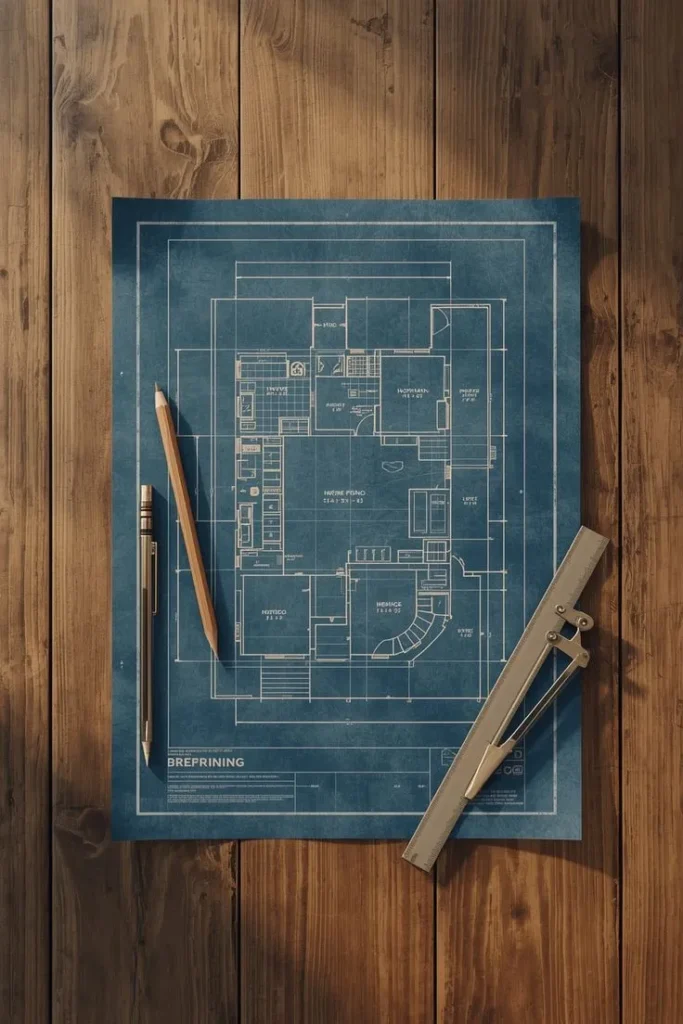
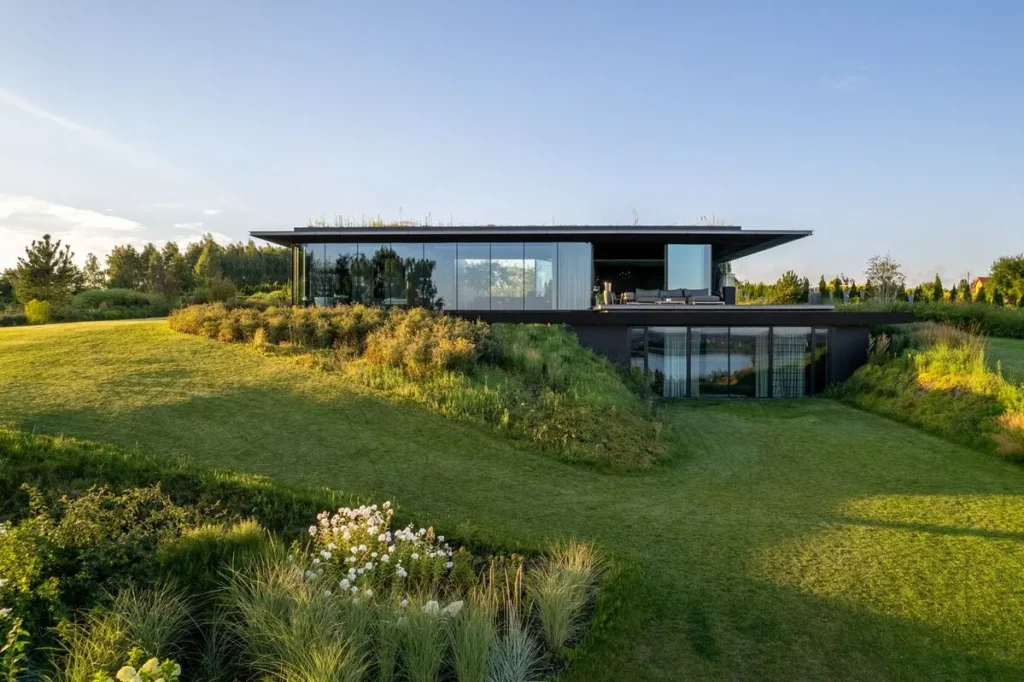
article
Custom Home Building in Georgia: 7 Costly Mistakes to Avoid in 2026
Building a custom home in Georgia is one of the most complex financial and emotional journeys you will ever undertake. In 2026, the stakes are higher than ever: the North Atlanta real estate market is experiencing a massive boom, regulatory environments are shifting, and “hidden” site costs can easily derail a project before the foundation is even poured.
Success in custom home building isn’t just about hiring a good crew; it’s about making the right decisions in the right order. At Kteam Architects, we specialize in high-performance design that prioritizes risk mitigation. Below are the seven most consistent mistakes we see in the Georgia market—and how a strategic, BIM-driven approach can save you six figures.
The “Red Flag” Summary: Georgia Budget-Killers
If you’re on a mobile device and need the bottom line fast, start here:
- Buying Land Blind: Falling in love with a lot before confirming its “buildable envelope.”
- Reversing the Sequence: Hiring a contractor before your architectural design is 100% complete.
- The Geology Trap: Underestimating the cost of North Georgia’s red clay, granite shelf, and slope management.
- The 10% Myth: Budgeting a 10% contingency when the 2026 reality requires a 15% buffer for material volatility.
“Building in Georgia is 20% construction and 80% planning. The projects that stall mid-stream almost always trace their failure back to a missing decision made during the pre-design phase. My goal is to ensure your investment is protected before the first shovel hits the dirt.”
— Kateryna Keaton, NCARB-certified Principal Architect, Kteam Architects
Mistake #1: Buying Land Without a Professional Feasibility Study
In Georgia, land is rarely “plug-and-play.” A lot zoned R-1 in Alpharetta operates under vastly different rules than R-1 in unincorporated Cherokee County. One of the most frequent errors is assuming that total acreage equals buildable area.
The Trap: A buyer closes on a beautiful wooded lot in Milton, only to find that Georgia’s Erosion and Sedimentation Act mandates a 25-foot undisturbed buffer from a small creek that wasn’t on the initial listing. Suddenly, the buildable area is cut in half, making the intended luxury floor plan impossible.
The Solution: Professional Land Feasibility and Site Analysis. We verify:
- Specific Setbacks: Front, side, and rear requirements which vary by local jurisdiction.
- FEMA Flood Maps: Determining if any portion of the site is in a Special Flood Hazard Area (SFHA).
- Soil Percolation (Perc) Test: If municipal sewer is unavailable, your bedroom count depends entirely on the soil’s drainage capacity.
- Tree Protection Ordinances: Many North Fulton municipalities have aggressive canopy protection laws that prohibit building near “specimen trees.”
Mistake #2: Hiring a General Contractor Before the Architect
It feels logical to lock in a builder first. However, custom home building in Georgia relies on precise technical documentation. Without an architect leading the process, you are essentially asking for a price on a “ghost house.”
Why it’s a mistake: Contractors bid on what is on paper. If your drawings are incomplete or “stock plans,” the builder must make assumptions. In construction, assumptions lead to Change Orders, which are always more expensive than original line items. By choosing an independent residential architect first, you maintain control over quality and budget.
| Project Factor | Architect-Led (Recommended) | Contractor-First (Risky) |
|---|---|---|
| Price Accuracy | High (Based on detailed technical specs) | Low (Based on “guesstimates”) |
| Quality Control | Independent oversight by Architect | Self-policing by Builder |
| Design Integrity | Priority is your Vision | Priority is Construction Ease |
Mistake #3: Ignoring Georgia’s Red Clay and Sloped Topography
Georgia sits on the Piedmont Plateau, defined by dense red clay and weathered rock. These aren’t just aesthetic features; they are massive cost drivers. In North Georgia, building on a slope (like our Summit Project) requires advanced engineering.
The $50k Surprise: We have seen projects hit a continuous shelf of granite bedrock just three feet down. Blasting and removal can add $50,000+ to the budget and months to the schedule. We highly recommend a Geotechnical Report (typically $2,500 – $6,000) during the pre-design phase. Knowing the subsurface conditions is the only way to avoid foundation failures or massive grading overruns.
Mistake #4: Miscalculating the Georgia “Permit Gap”
Permitting in Georgia is hyper-localized. A project in Dawson County might clear review in 4 weeks, while the same project in the City of Atlanta or Buckhead could take 16 to 20 weeks.
2026 Permitting Reality Check:
- City of Milton: 8–12 weeks (Requires strict Design Review Board approval).
- City of Alpharetta: 6–10 weeks (Heavy focus on tree preservation and zoning setbacks).
- Fulton County (Uninc.): 10–14 weeks (Complex multi-departmental reviews).
Never time your construction start based on your submission date. Always work backward from the expected issuance date to avoid carrying costs on your land loan.
Mistake #5: Making Finish Selections Too Late
In custom home building, “selection paralysis” is a schedule killer. Subcontractors for flooring, custom cabinetry, and high-end tile work on tight sequences in the Atlanta Metro area. If you haven’t finalized your material palette by the framing phase, you risk losing your trade’s availability window.
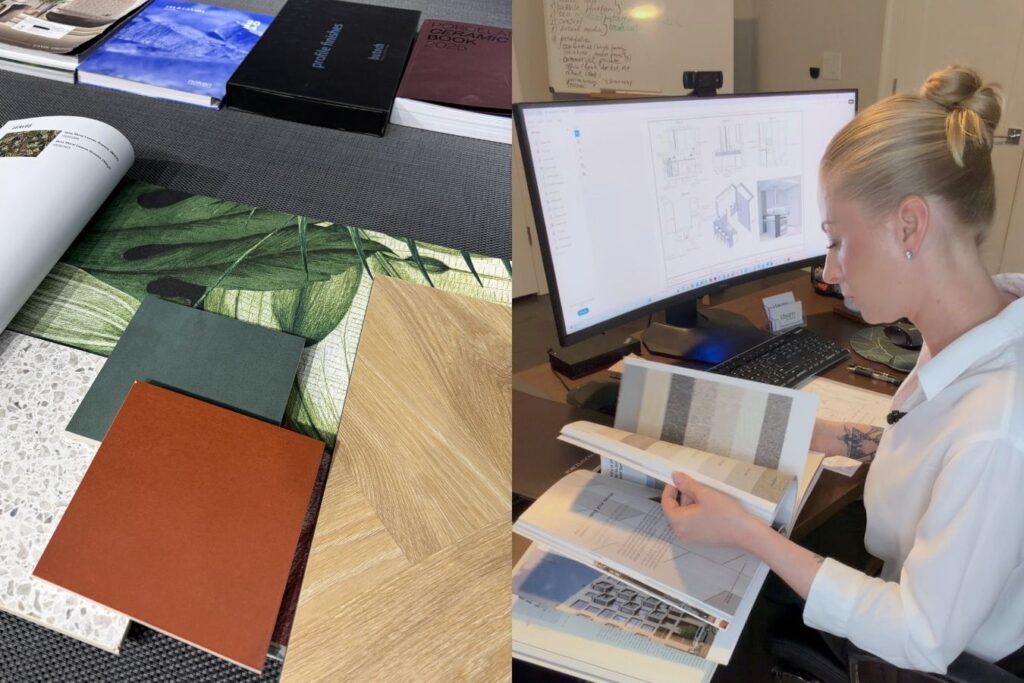
BIM Benefit: At Kteam Architects, we use BIM modeling to help you visualize materials in 3D early on. This allows for early material procurement—critical in 2026 for long-lead items like specialized European glazing or bespoke millwork.
Mistake #6: Under-Investing in the Building Envelope
When budgets get tight, insulation and high-performance windows are often the first things cut. In Georgia’s humid Zone 3 climate, this is a long-term financial disaster.
Georgia follows strict IECC energy codes. Skimping on the envelope (insulation, air sealing, and solar orientation) leads to oversized HVAC systems that cost more to install and astronomical utility bills. A high-performance building envelope often pays for itself within 5 years through energy savings and superior comfort.
Mistake #7: Budgeting with a 2021 Mindset (The Contingency Gap)
A 10% contingency used to be the industry standard. In 2026, it is insufficient for custom builds. Between utility connection fees being adjusted upward and labor shortages in specialized trades, you need a 15% cash reserve.
Pro Tip: Account for “Carrying Costs”—the interest on your construction loan while you wait for inspections or permits. In Fulton County, staffing shortages at building departments can lengthen the time between inspection requests and “Passed” status, adding weeks of unexpected costs.
“Save My Project” Summary Table
| Common Mistake | Financial Impact | How to Prevent |
|---|---|---|
| Buying Blind | $20K – $150K loss | Pre-purchase site feasibility review |
| Wrong Sequencing | 15–20% budget creep | Finalize documents before bidding |
| Late Selections | 2–4 month trade delays | Selection schedule fixed in Design Phase |
Sources & Standards:
• Georgia State Licensing Board for Residential and General Contractors.
• Georgia Department of Community Affairs – IECC Energy Code Compliance.
• AIA Georgia – Custom Residential Project Delivery Standards 2026.
Ready to Start Your Project?
Our Georgia-based architecture team brings deep local expertise and a commitment to design excellence to every residential project.
SCHEDULE A CONSULTATIONFrequently Asked Questions (FAQ)
Spec homes usually have a lower cost per square foot due to economies of scale. Однак, custom home building allows for site-specific orientation and superior BIM-tested quality, which often leads to 15-20% higher appraisal and resale value in premium markets like Milton or Buckhead.
Yes, but it is highly expensive and time-consuming. Any structural or exterior change requires a “Plan Revision” submission to the county, new fees, and a complete re-review cycle. It is much more cost-effective to resolve all decisions during the Construction Document phase.
Always check the Georgia Secretary of State’s online portal. In 2026, general contractors must hold an active state license to perform residential work above minimum thresholds. Never sign a contract without verifying both their license number and their General Liability and Workers’ Compensation insurance certificates.