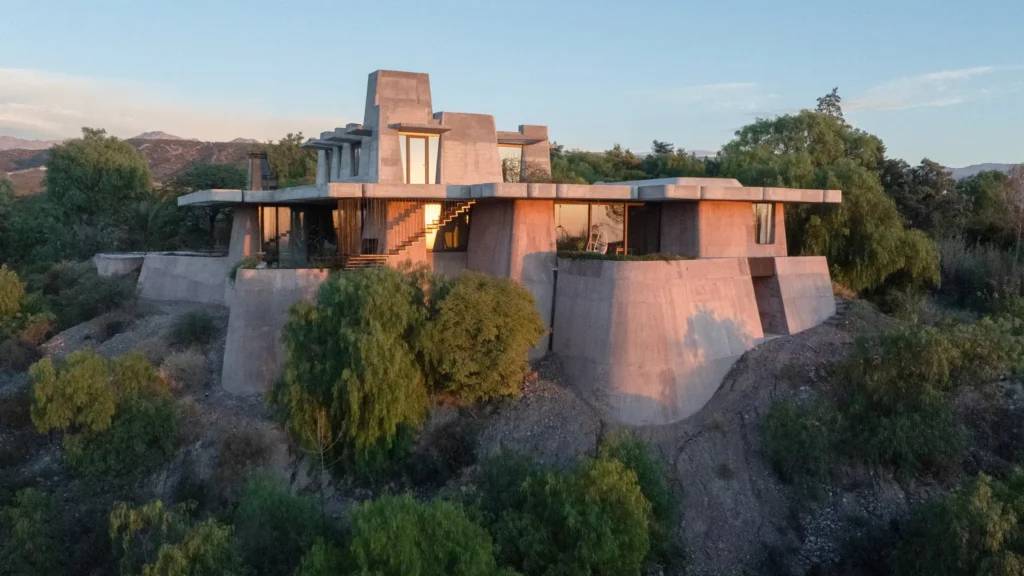

article
Is Buying Land in Georgia a Smart Building Investment in 2026?
In the world of real estate, there is a massive difference between “buying land” and making a strategic building investment. While many investors are content to sit on a parcel of raw land and wait for market appreciation, the real wealth in the Georgia market is created by those who understand how to unlock a property’s architectural potential.
As we move through 2026, Georgia remains one of the most attractive states in the U.S. for development. However, the “easy” lots are gone. Success today requires a shift from speculation to a calculated building investment strategy led by comprehensive architectural services.
The Investor’s Snapshot: Why GA Land?
- Population Growth: Georgia continues to outpace the national average, particularly in the “Perimeter” and North Georgia regions.
- Forced Equity: Developing land through custom architecture typically yields a 20-30% higher ROI than purchasing existing inventory.
- Risk Mitigation: In a volatile market, land with a “permit-ready” design is an asset that holds value regardless of short-term price fluctuations.
Why Georgia is Primed for Your Next Building Investment
When evaluating a building investment, you aren’t just looking at the dirt—you’re looking at the economic engine behind it. Georgia’s economy is currently ranked as one of the best in the nation for business, and that flows directly into land value.
The “Sunbelt” Migration Pattern
The migration from the Northeast and West Coast to Georgia isn’t slowing down. In 2026, the demand for high-quality, custom-designed homes in the Atlanta Metro (especially Alpharetta, Milton, and Johns Creek) is at an all-time high. Investors who secure land now are positioning themselves in the path of this permanent shift in American demographics.
Inventory vs. Demand
The biggest driver of a successful building investment is the current supply-demand imbalance. In desirable counties like Cherokee and Forsyth, there is a chronic shortage of finished luxury homes. By purchasing a lot and engaging a licensed architect early, you are essentially creating “new inventory” in a market that is starving for it.
“We tell our clients that land in Georgia is a raw material. Its value isn’t fixed; it’s determined by what you are allowed to build on it. A $200k lot can become a $1.5M asset simply by applying the right architectural vision and navigating the local zoning hurdles correctly.”
— Kateryna Keaton, Founder & Principal Architect, Kteam Architects
Forced Equity: Turning Dirt into a High-Yield Asset
Most people understand passive equity (waiting for the market to go up). But the most successful building investments rely on forced equity. This is the value added to the property through professional design, engineering, and permitting.
Architectural Feasibility as an ROI Tool
Before you close on a property, an architectural review can identify its Highest and Best Use (HBU). Can this lot support a 5,000 sq ft home with a walk-out basement? Does the topography allow for an infinity pool that overlooks the North Georgia mountains (similar to our Summit Project)? Answering these questions before you buy ensures your building investment is backed by data, not just a “good feeling” about the view.
Georgia vs. The Sunbelt: Why GA Leads the Building Investment Race
Investors often weigh Georgia against other “Sunbelt” states like Florida or North Carolina. While all three are growing, Georgia offers a unique balance of lower entry costs and a highly diversified economy (Tech, Film, Logistics, and Agriculture).
| Feature | Georgia (GA) | Florida (FL) | North Carolina (NC) |
|---|---|---|---|
| Land Acquisition Cost | Moderate – High | Very High (Coastal) | Moderate |
| Insurance Premiums | Stable | Volatile (Hurricane Risk) | Rising (Coastal) |
| Permit Complexity | County-specific / Moderate | High / Strict | Moderate |
| ROI Potential | High (Forced Equity) | Moderate (Market Driven) | High (Growth Driven) |
The Verdict: Georgia often wins as a building investment because of its “Signal Resilience”—the state’s ability to maintain property value even during national market fluctuations, thanks to the massive corporate presence in the Atlanta Metro area.
Regional Deep Dive: Where to Direct Your Capital
To help you identify the highest-yielding opportunities in the current market, we’ve broken down the top Georgia regions for a strategic building investment.
| Region / Locations | Primary Strategy | Investment Driver (ROI) | Primary Risks |
|---|---|---|---|
| North Fulton (Alpharetta, Milton) | Luxury Infill: Tear-downs or remaining small parcels. | Extreme demand for new luxury inventory creates 20–30% immediate equity. | High land cost; aggressive tree canopy & design board rules. |
| Growth Corridor (Forsyth, Cherokee) | Suburban Expansion: Larger 2–5 acre residential lots. | Rapid infrastructure growth and high-performing schools drive land value. | Shifting zoning laws; transition from rural to suburban setbacks. |
| North GA Mountains (Blue Ridge, Ellijay) | Lifestyle Asset: Scenic mountain or lake-front lots. | Double Revenue: High STR (Short-Term Rental) yields + rapid appreciation. | Steep slope engineering costs; EPD environmental buffers. |
| Intown Atlanta (Buckhead, Brookhaven) | Premium Spec Build: Older lot revitalization. | The highest price-per-square-foot in the state; very fast exit strategy. | Complex setback requirements; aging utility infrastructure. |
Strategic Advice: While the “Mountain” strategy offers great cash flow, the “North Fulton” strategy remains the most stable building investment for those looking to secure a legacy asset (like our Delft Townhome Project). However, regardless of the region, the differentiator between a successful close and a “stalled project” is having an architect verify the Building Envelope before the due diligence period expires.
The Georgia Land Buyer’s Due Diligence Checklist
To avoid the most hidden costs of buying land in Georgia, follow this architectural checklist during your due diligence period:
1. Regulatory & Zoning Verification
- Confirm “Use by Right”: Does the current zoning allow for the specific type of home you want to build?
- Identify Setbacks: Map out the front, side, and rear setbacks. Often, a “large” lot has a surprisingly small Building Envelope once these are applied.
- Check HOA & Overlay Districts: In areas like Milton or Alpharetta, design review boards may dictate everything from your roof pitch to your exterior material palette.
- Review Impervious Surface Ratios (ISR): Confirm the maximum percentage of the lot you can cover with “hard” surfaces.
2. Physical & Geological Assessment
- Topographic Survey: Is the slope manageable? In North Georgia, a 15% grade can add $50k–$100k in unbudgeted grading and retaining wall costs.
- Geotechnical (Soil) Report: Georgia’s red clay and hidden granite shelves are unpredictable. Verify the soil can support a standard foundation.
- The “Perc” Test: If municipal sewer is unavailable, your building investment is dead on arrival if the soil doesn’t percolate for a septic system.
3. Environmental & Infrastructure Risks
- EPD Stream Buffers: Georgia’s Erosion and Sedimentation Act mandates 25-to-75-foot undisturbed buffers from any state waters. This is non-negotiable.
- FEMA Flood Maps: Verify that no portion of the lot falls within a Special Flood Hazard Area (SFHA).
- Utility Gap Analysis: Determine the exact distance to the nearest water, power, and gas lines.
- Tree Canopy Audit: Many North Georgia municipalities charge heavy “Impact Fees” for the removal of specimen trees.
The Golden Rule of GA Land: Never assume a lot is buildable just because there are houses next door. Regulatory shifts in 2026 mean that today’s “unbuildable” constraints might not have applied to your neighbor five years ago. Hiring an architect before buying land is the only way to truly de-risk your investment.
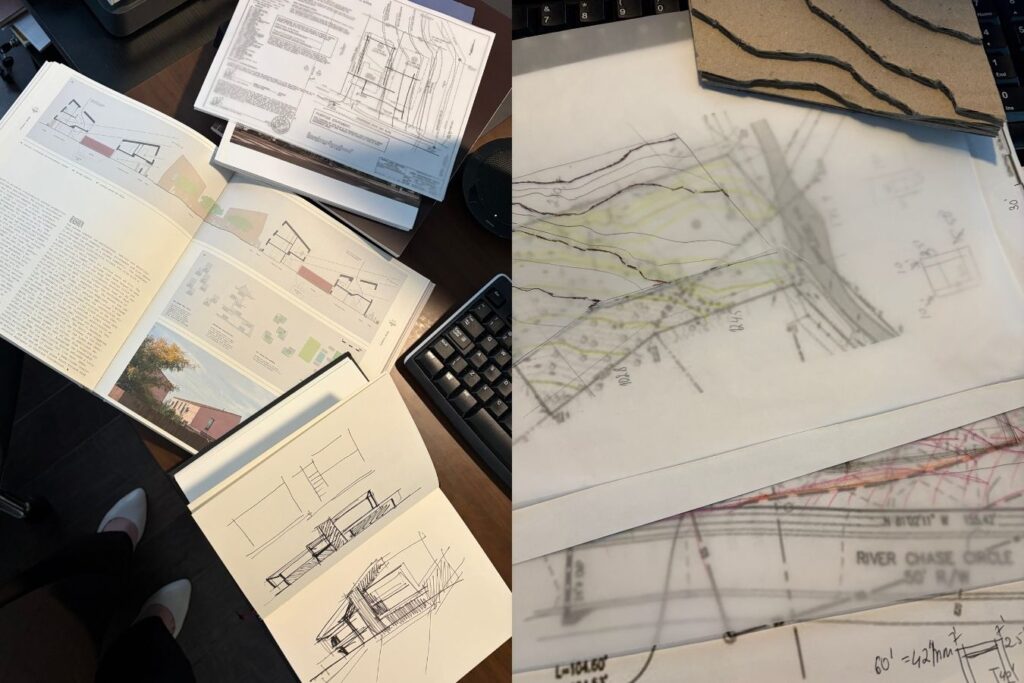
Strategic Comparison: Raw Land vs. Strategic Building Investment
| Variable | Holding Raw Land (Speculation) | Strategic Building Investment |
|---|---|---|
| Primary Goal | Market Appreciation | Forced Equity + Utility Value |
| Risk Level | High (Market Dependent) | Managed (Design Dependent) |
| Timeline to Profit | 5 – 10 Years | 18 – 30 Months |
| Expertise Required | Low | High (Architect & Contractor) |
| Cash Flow | Negative (Taxes/Interest) | Positive (Rental or Sale) |
Turning Strategy into Structures
Is buying land in Georgia a good investment?
Yes – if you treat it as a building investment rather than a lottery ticket.
The differentiator between a “money pit” and a “legacy asset” is professional due diligence. By engaging an architect during your feasibility period, you transform a risky land purchase into a calculated development project.
Ready to Start Your Project?
Our Georgia-based architecture team brings deep local expertise and a commitment to design excellence to every residential project.
SCHEDULE A CONSULTATIONFrequently Asked Questions (FAQ)
In Georgia, most sophisticated investors use an LLC to limit personal liability, especially if they plan to build and sell (speculate) or use the property as a short-term rental. We always recommend consulting with a local real estate attorney alongside your architect.
It depends on the county. Jurisdictions like Atlanta have become more friendly to Accessory Dwelling Units (ADUs), while others like Milton have very specific acreage and setback requirements. Always verify “Use by Right” through our Pre-Design packages before buying.
While rates remain higher than the 2020 lows, land is a “hard asset.” Experienced investors use land acquisition as a hedge against inflation, often refinancing into a permanent mortgage once the home is built and the value has been “forced” upward through high-quality custom home design.